
SpaceX August 2026 Update: Flight 13, Starbase Louisiana & Falcon Backlog
Hey, Marcel here with my SpaceX August 2026 update.
SpaceX went public in June 2026. My first buy and entry into SpaceX was a £2,000 lump sum at the IPO: 19 shares at $135 each ($2,565 at entry). That was followed by two small opportunistic open-market buys: about £60 on ~27 July and about £60 on ~3 August when SpaceX was below its IPO price.
First public quarter is in the books. Flight 13 left a ship intact in the Indian Ocean, Falcon booked more national-security work through 2027, and Louisiana became the fourth launch coast, while Flight 14 and Roman are still NET.
Disclaimer: This is not financial advice. I’m sharing my personal investment journey on Mars Money Lab. Consult a financial advisor and do your own research before investing.
My SpaceX Experiment: Snapshot
As of 27 August 2026, 22:00 UTC (dashboard): GBP contributions, USD marks on the dashboard.
| Net value | $2,993.30 |
| Return on total contributed capital (IPO plus two later buys) | +5.47% (+$155.29 unrealized) |
| Contributions | £2,000 IPO (19 @ $135 = $2,565), then two small eToro buys ~£60 (~27 Jul) and ~£60 (~3 Aug); cost basis implied by dashboard ≈ $2,838 |
| Company context | SpaceX IPO June 2026. That £2k was my first buy and entry. |
| Plan (not live) | ~£40/week automation later (plan only, not a live dashboard fact) |
Live marks: Experiments Dashboard.
This is separate from my Space Pie (public diversified space names on Trading 212).
What’s Been Happening (IPO to late August)
I still think about SpaceX as launch, connectivity and AI compute in one company. Falcon is the proven launch machine, Starlink is the growing connectivity business, Starship is the long-term heavy-lift bet, and Q2 growth was heavily Starlink and AI (xAI/compute), not only rockets. Here’s what actually happened from IPO through late August.
Starship Flight 13 (24 July)
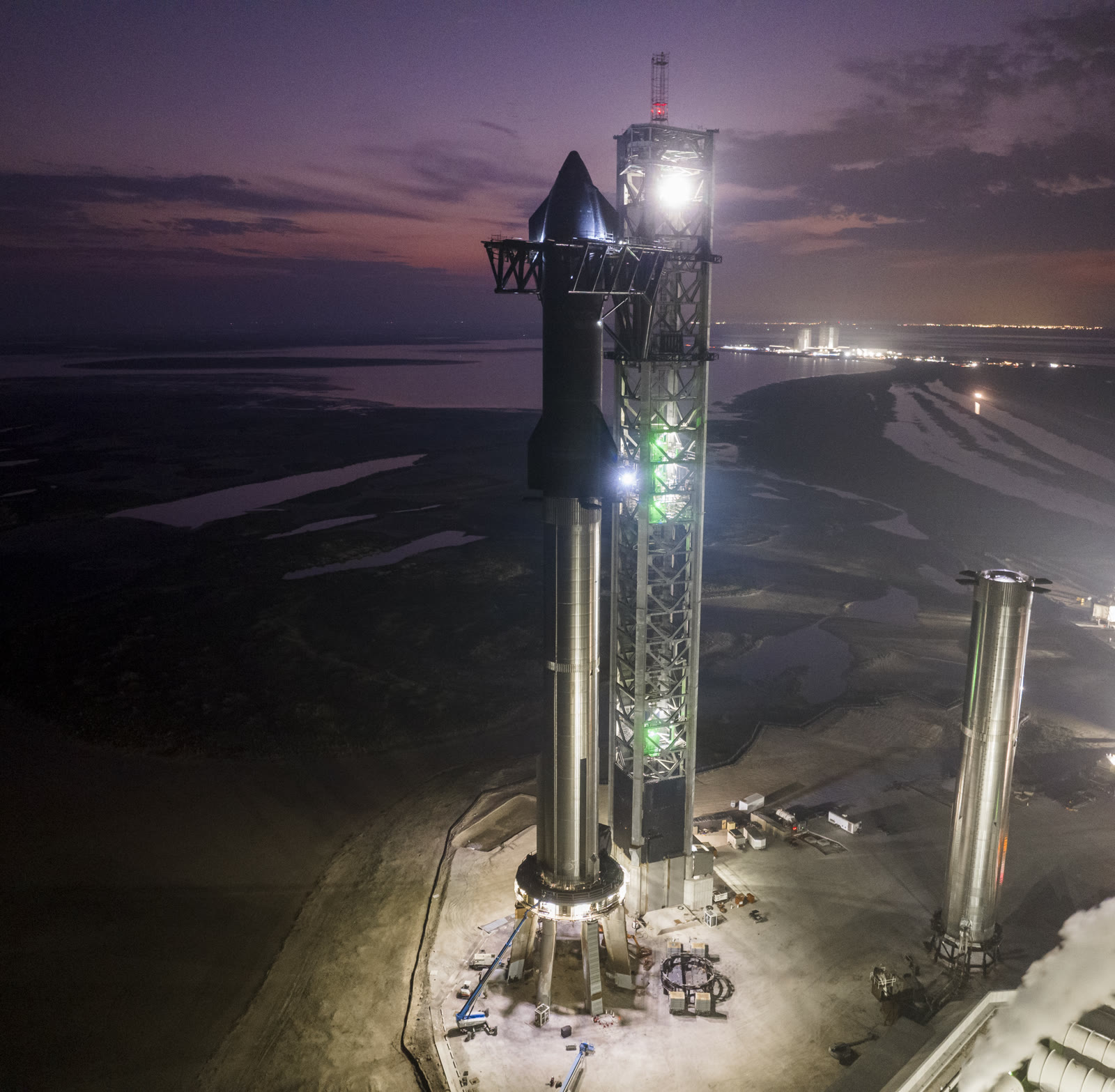
On 24 July, Starship Flight 13 completed its main test goals. It deployed and tested the first functioning Starlink V3 satellites (20 sats, suborbital), then made a soft splashdown in the Indian Ocean that left the ship intact and still sending imagery. Starship only becomes a real business if the ship can re-enter and be recovered in one piece, again and again. A successful splashdown is a concrete step on that path, not a finished product.
Military Falcon backlog (29 July)
On 29 July, the US Space Force awarded SpaceX about $1.6B under its National Security Space Launch (NSSL) programme for 18 Falcon 9 launches from Vandenberg through end-2027. Falcon is the cash-flow engine under the Starship headlines: contracted national-security launches on a rocket SpaceX already flies at high cadence help fund the longer Starship bet and keep launch revenue visible while Starship is still in test.
First post-IPO quarter results (4 August)
Early public-company reporting put Q2 revenue around $7.8B (about 2× year-on-year) with a net loss around $541M, with Starlink and AI doing most of the growth, not only rockets.
Flight 14 schedule and tower-catch timeline (mid to late August)
Through 19-21 August, Ship 41 ran static fires while Flight 14, discussed as a possible first orbital attempt, was NET early/mid-September. An earlier late-August orbital and ship-catch target had already slipped. Flight 14 has not flown yet.
On 20 August, Elon said a tower catch is likely “in a few months” (not necessarily on Flight 14), with a first ship reflight more like end-2026 / early-2027. Flight 14 is the next public test of orbital ambition, and a tower catch would be a major step toward rapid reuse. Schedule slips are normal here. I’m treating these dates as engineering milestones for the long thesis, not as week-to-week trading signals.
Falcon wind-down is a condition, not a date (22 August)
On 22 August, Elon said SpaceX would wind down Falcon once Starship flies reliably several times per week. That’s a reliability condition, not a calendar date. Falcon still has a booked national-security backlog through 2027.
Starlink 10-49 from the Cape (25 August)
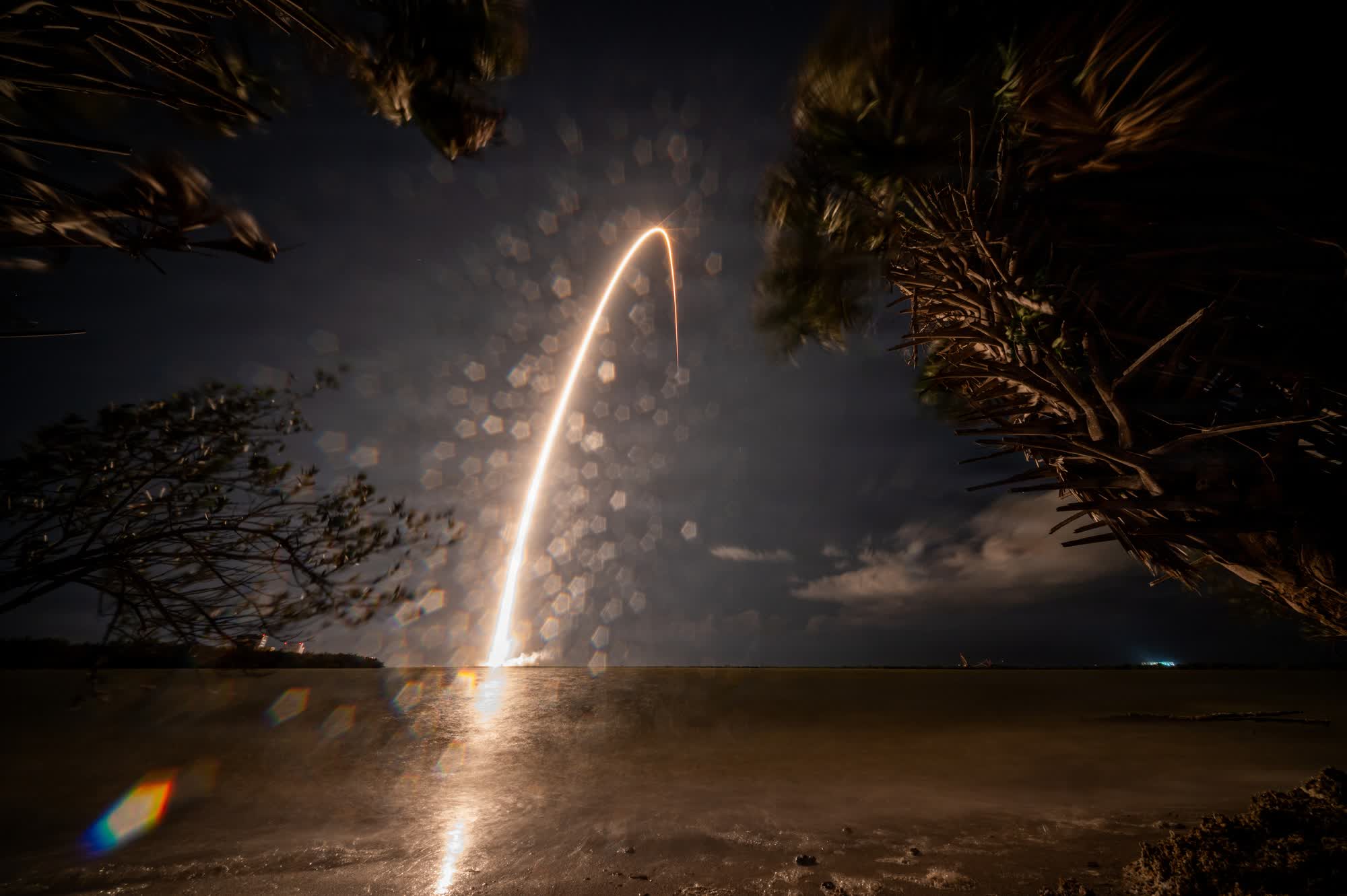
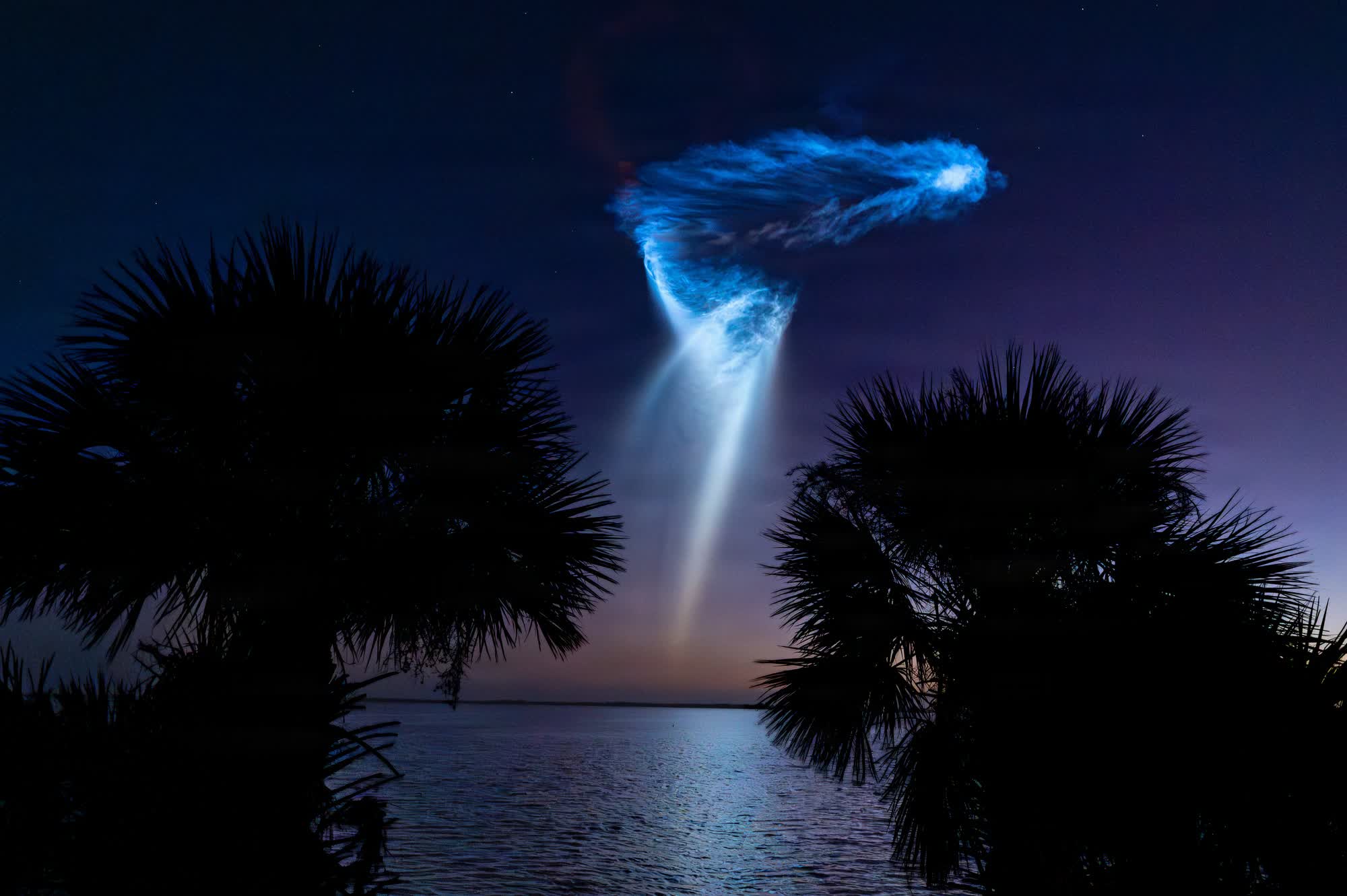
On 25 August, Starlink 10-49 launched successfully from the Cape. Booster B1067 flew its 37th mission and landed on the droneship A Shortfall of Gravitas (ASOG). Cadence is the unglamorous proof that Starlink is a service business, not only a launch story.
SpaceX said this was the last planned Cape Starlink until Starship flies from Florida. I’m treating that as a schedule note, not a forever decision.
Starbase Louisiana (25 August)
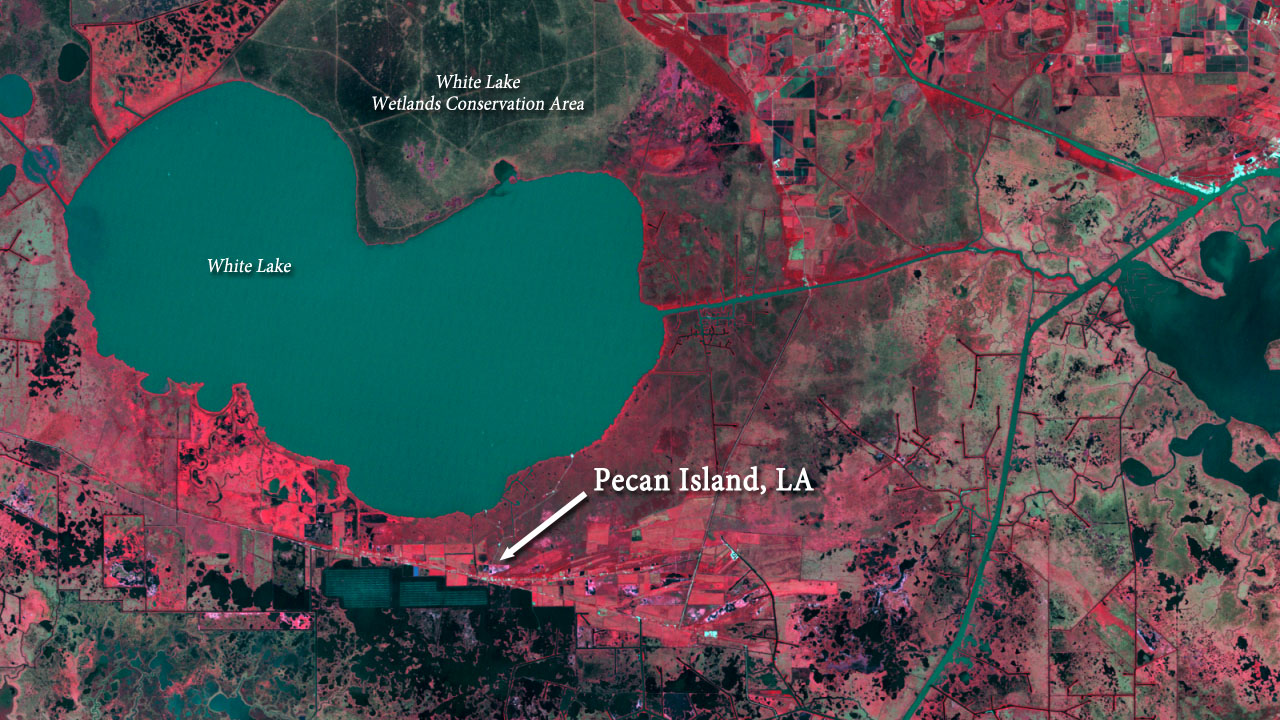
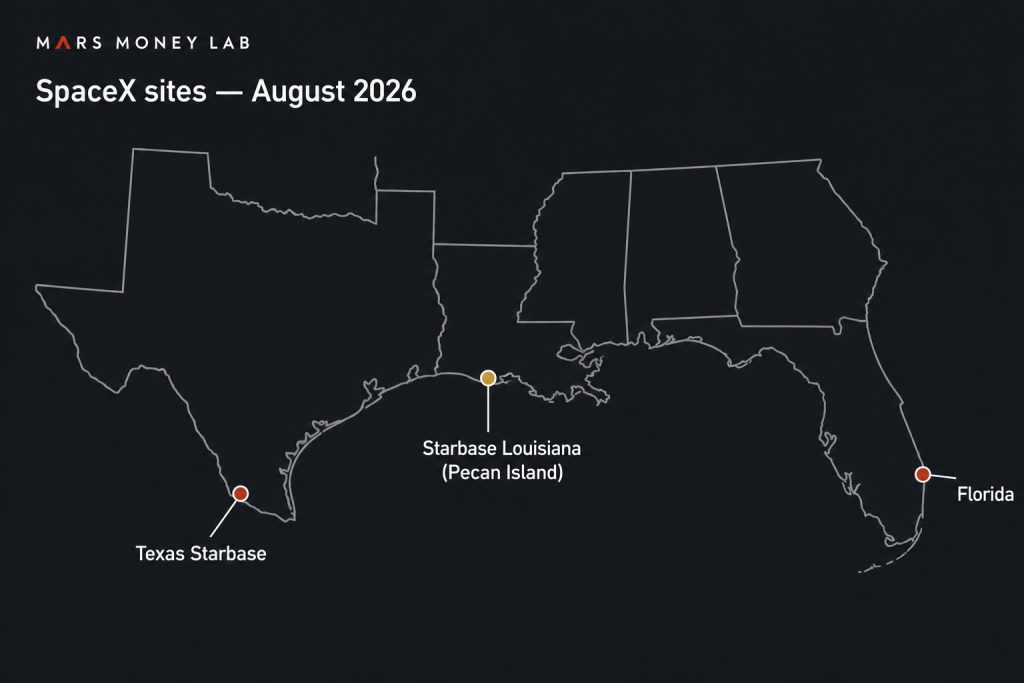
On 25 August, SpaceX and Louisiana announced Starbase Louisiana in Vermilion Parish, around Pecan Island on the Gulf Coast. SpaceX is calling it its fourth and largest launch site: 125,000 acres, at least $100 billion of investment and 3,000+ jobs. Gwynne Shotwell said experience suggests the job count could be closer to 10,000 and that they want to repeat the Texas pattern of hiring 60-80% local.
Construction is aimed at 2027, with first launch NET 2029. Wildlife groups have flagged wetland and habitat risk.
For this experiment, Louisiana is extra Starship cadence capacity beyond Texas Starbase and the Florida pads.
Roman Space Telescope on Falcon Heavy (NET 30 August)
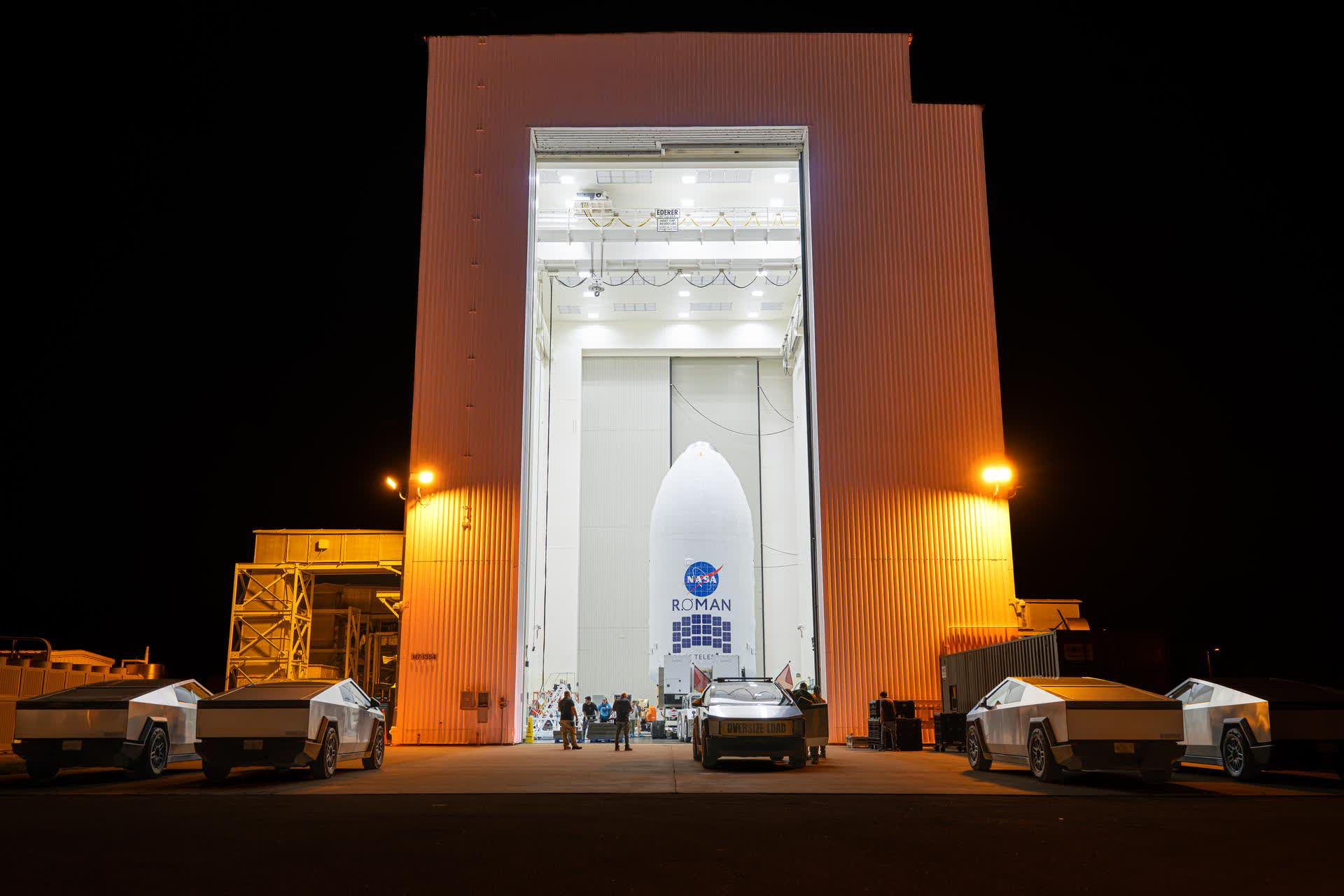
NASA’s Roman Space Telescope is lined up on Falcon Heavy for NET Sunday 30 August, 7:26am ET. The LRR was Friday 28 August. This has not launched yet. A no-earlier-than window can still slip. Falcon Heavy remains the rare heavy-lift workhorse while Starship is still in test.
How My Position Is Doing
A modest green mark on a young public position. Post-IPO swings and Starship schedule slips are the volatility I expected. I’m staying opportunistic for now. The ~£40/week automation idea is still a plan, not a live dashboard fact. Long horizon: Starlink scale and Starship execution, not next week’s headline.
Cousin experiment: Space Pie (Space Economy DCA).
Want live numbers instead of a blog snapshot? Check the Experiments Dashboard and browse more posts on the Updates Hub.
Share the wealth if this kind of transparent update helps, and I’ll see you in the next one.
Marcel
Mars Money Lab
P.S. Not financial advice. Just one guy documenting real experiments. DYOR always.


Leave a Reply