
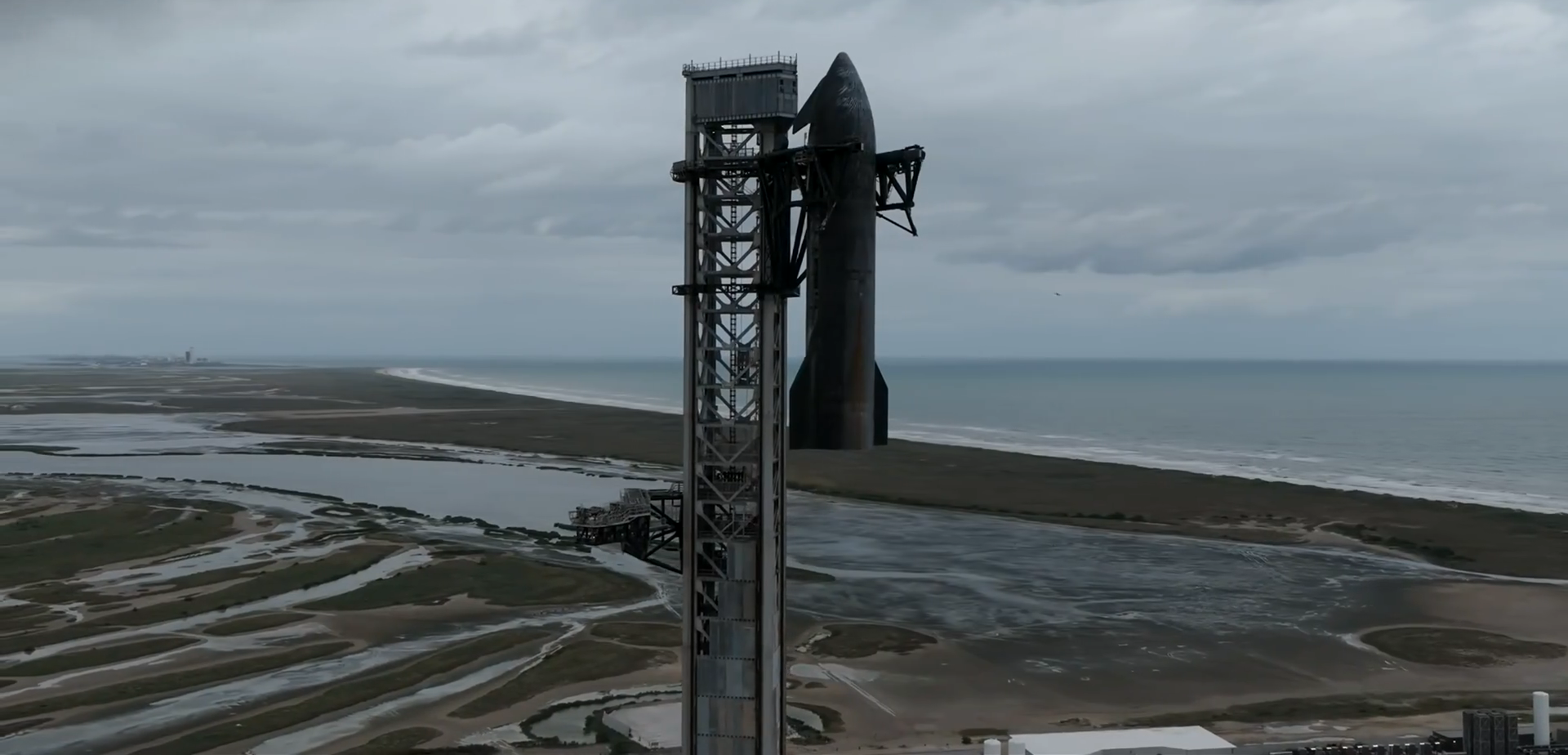
SpaceX Starship Flight 15: The Ship Comes Home and Gets Caught
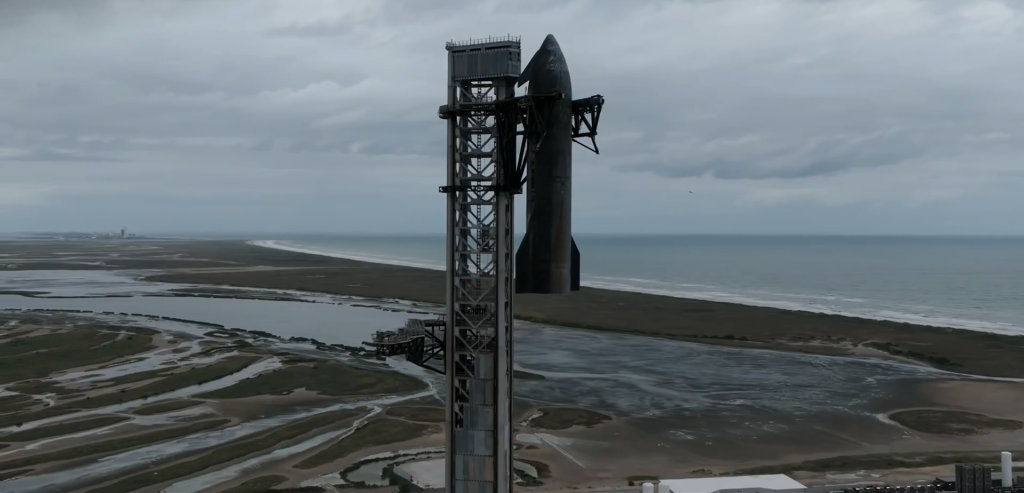
Hey, Marcel here. I’ve watched a lot of rocket launches. This weekend was the first time I watched a spaceship come back from orbit and get caught by the tower it launched from.
That’s Starship Flight 15. SpaceX says it’s the first time a ship has returned to the launch site and been caught. I think it’s a historic moment, and I own a small piece of the company, so here’s what happened in plain English.
Disclaimer: This is not financial advice. I’m sharing my personal investment journey on Mars Money Lab. Do your own research before investing.
What happened on Flight 15
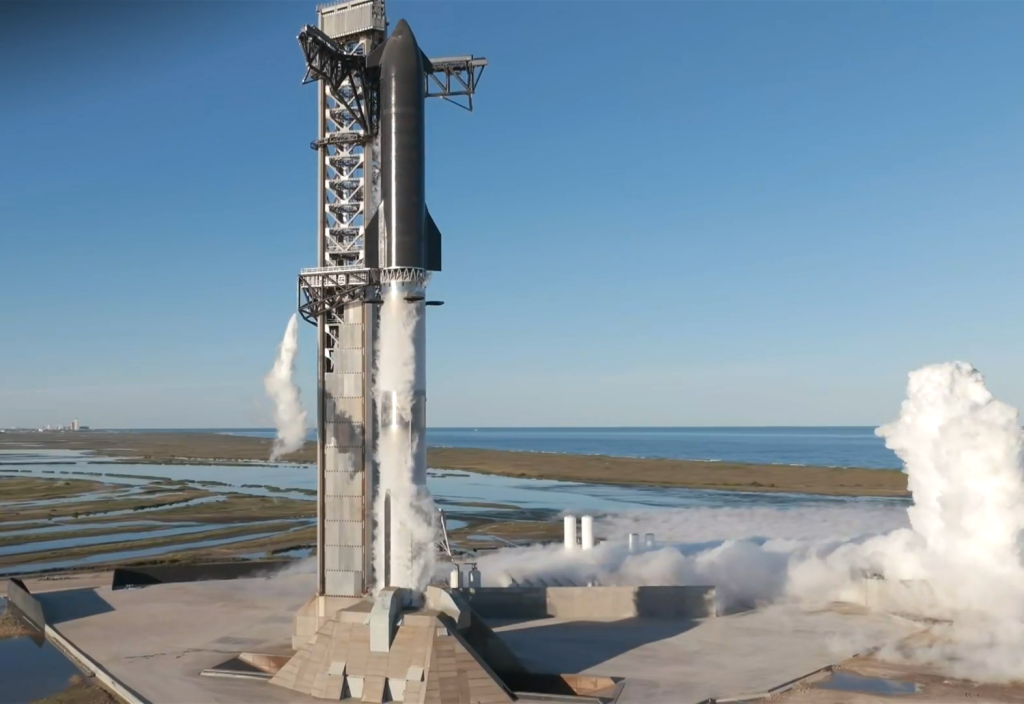
Starship lifted off from Starbase in Texas on 13 November, at about 22:48 GMT (4:48 pm CST at Starbase, 5:48 pm EST).
The plan was to catch both parts of the rocket. That didn’t happen. A few minutes in, SpaceX called off the booster catch, and Super Heavy came down in the Gulf instead.
The ship carried on. It reached orbit and put all 26 Starlink V3 satellites in orbit.
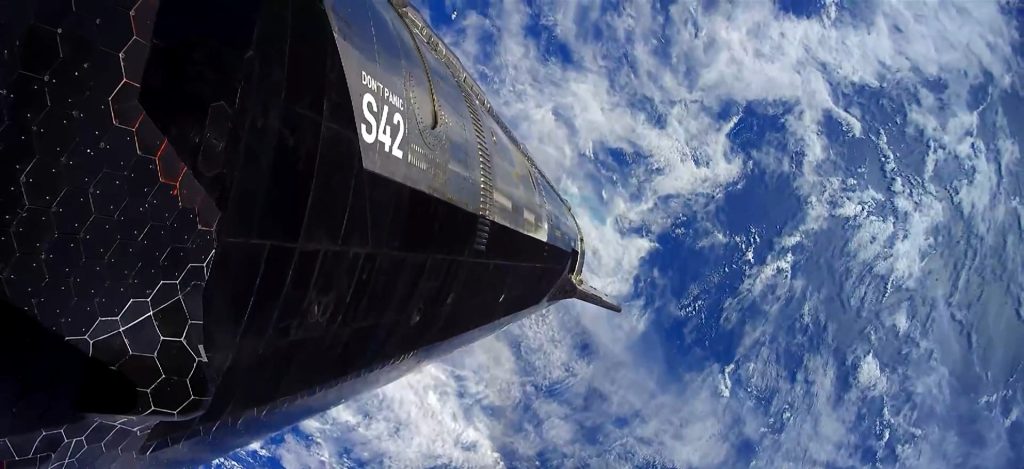
The ship stayed in orbit for more than 21 hours, making about 14 trips around Earth, roughly one every hour and a half, according to Elon Musk. Overnight, SpaceX said the ship and its heatshield were healthy and the catch was still on.
The catch
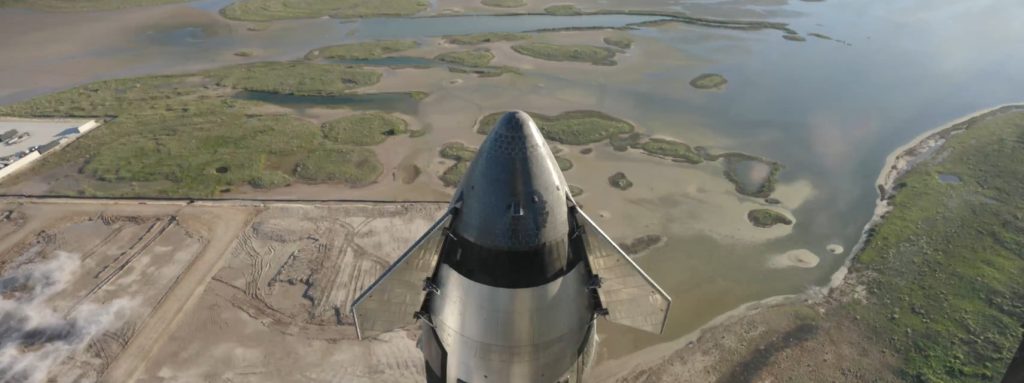
On 14 November the ship fired its engines to leave orbit, came back through the atmosphere and flew back to Starbase. The launch tower, which SpaceX calls Mechazilla, caught it.
SpaceX confirmed the catch at 21:21 GMT in three words: “Mechazilla catches Starship!”
Video: SpaceX livestream, 14 November 2026
Getting the top half back, at the place it launched from, is the part that matters for reuse. A ship you can catch is a ship you might fly again.
One small hug from the tower, one giant leap of hope for another.
Marcel
SpaceX hasn’t said yet what state the ship is in or whether it will fly again.
Since my last SpaceX post
A lot has happened since my SpaceX August 2026 Update. Here are the bits that matter to me.
Flight 14 reached orbit (28 September). It was the first time Starship reached orbit, and it deployed all 26 Starlink V3 satellites. One engine shut down early on the way up, so SpaceX cut the time in orbit short. The ship splashed down on target in the northern Pacific. There was no catch attempt that time.
Big third-quarter results (20 October). SpaceX reported revenue of $14.6 billion, up 161% on a year earlier, and net income of $4.4 billion. Starlink had 13.6 million consumer subscribers at the end of September, up from 12.0 million at the end of June. SpaceX also called Flight 14 its first revenue-generating Starship mission.
Phones straight to satellites (6 October). The Federal Communications Commission (FCC), the US regulator, approved in part a plan for 15,000 satellites that connect directly to mobile phones, with conditions.
More launches from Starbase, maybe (14 October). The Federal Aviation Administration (FAA) started an environmental review of a plan for many more Starship launches from Starbase, up to 100 a year in a first phase. It’s a review, not a green light.
What it means for my SpaceX experiment
I bought SpaceX at its initial public offering (IPO) in June and track it on the Experiments Dashboard. As of 14 November 2026, 22:00 UK, my SpaceX position was marked at $3,411.44, which is £2,580.41.
One flight doesn’t change a share price story overnight, and I’m not treating it as a reason to buy or sell. What it does is tick a box I’ve been waiting for. In August I wrote that Starship only becomes a real business if the ship can re-enter and be recovered in one piece, again and again. This time it came back and was caught.
Now it has to do it again. Then again.
Want the live numbers? Check the Experiments Dashboard, and catch up on the rest in the Updates Hub.
Marcel
Mars Money Lab
P.S. Not financial advice. Just one guy documenting real experiments.



Leave a Reply